Preparing for Hurricane Season
Awareness & Preparation

“Hurricane preparedness is important in any season, but even more in a season expected to be above average,” Windler said. “Last season’s (2020) strongest hurricane, Laura, struck just east of Texas, devastating Lake Charles, Louisiana, as a Category 4 storm, and some areas still haven’t recovered. Even in a below average hurricane season, it only takes one storm hitting your area to become a big problem. Staying weather aware and having a hurricane preparedness plan is important.”
Certainly, one of the ways to stay weather aware includes preparations, especially with a tropical storm or hurricane watch or warning issued in your region. In other words, do not dismiss these watches or warnings.
Evacuate? Run from the Water, Hide from the Wind
“The National Hurricane Center will issue forecasts for tropical systems days in advance of possible landfalls,” Windler said. “And if your area is placed in the forecast ‘cone of uncertainty,’ it may be time to make the important decision to evacuate.
“First, are you in a hurricane evacuation zone? Many coastal locations are and have multiple evacuation routes. In Texas, here’s a link to evacuation routes. If government officials urge voluntary or mandatory evacuations, the sooner you head to a safer spot, the better.”
Moreover, when it comes to hurricane preparedness, consider gathering essentials for an extended duration of time.
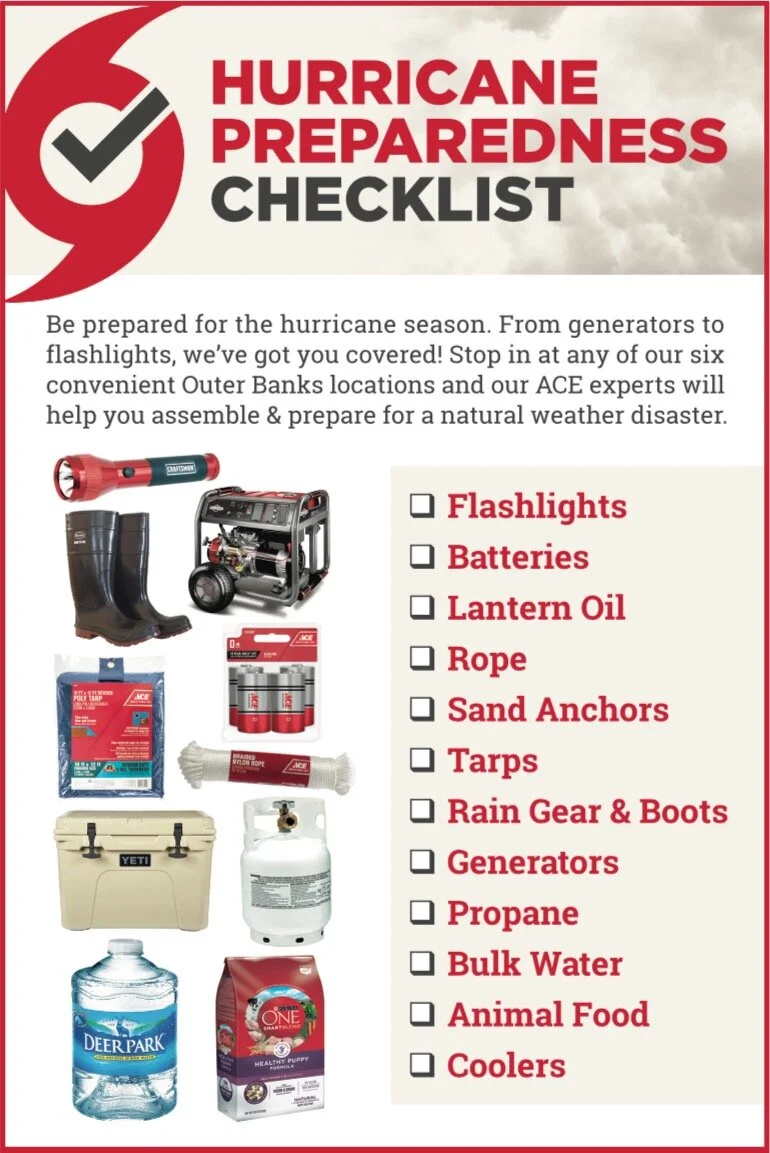
“If you’re not ordered to evacuate, and plan to shelter from the storm in your home, it’s important to have a hurricane kit,” Windler advises. “With the shortages we’ve already experienced in the COVID-19 era, it may be better to have basic supplies on hand, rather than fighting the crowds and potential shortages to gather what you need at the last minute. You’ll want to have enough supplies to last at least three days. Be prepared for potential power outages.
“Gather non-perishable food and water. Fill any prescriptions and make sure you have any needed medication. Charge your phone and other devices, and make sure you have portable chargers. Fill up your gas tank. Gather flashlights and extra batteries. If you have a portable generator, make sure you have gas to power it in the event of an extended outage.”
Typically, the Southeast and states along the Gulf of Mexico tend to get the brunt of tropical storms and hurricanes. Still, for those in New England and the Mid-Atlantic, it is worth paying attention to the happenings along the Atlantic Ocean.
“Superstorm Sandy in 2012 is all the evidence needed to confirm to anyone in the Mid-Atlantic or Northeast of the importance of being prepared for hurricanes,” Windler said. “That late-season storm made landfall in New Jersey with significant damage and became one of the costliest hurricanes on record. While hurricanes thrive in warm water, some can even survive the trip into the cooler waters of the North Atlantic. Elsa earlier this season tracked across the Mid-Atlantic and Northeast as a tropical storm, bringing heavy rain and gusty winds along the way.”
Hurricanes and Climate Change
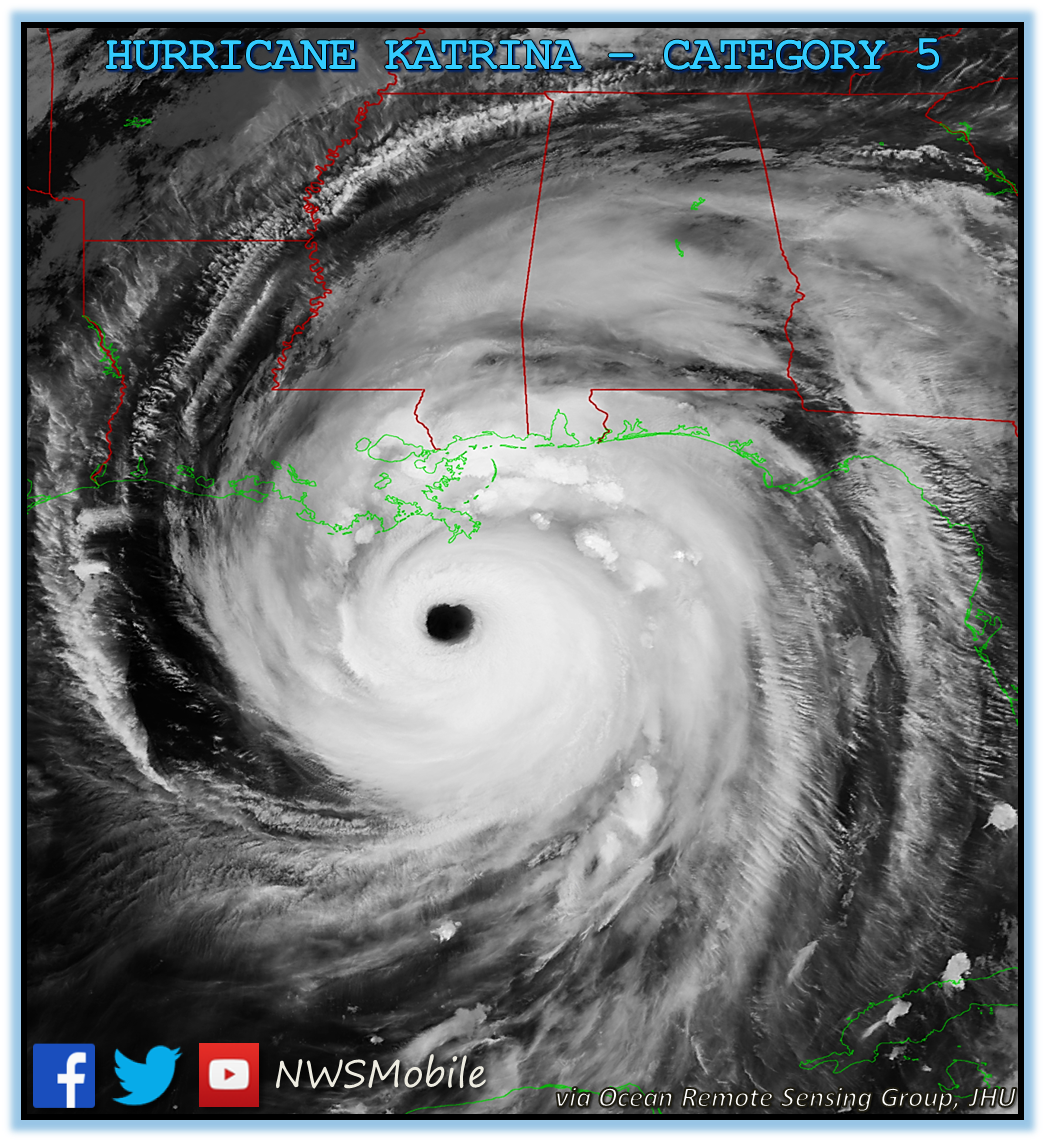
If it seems like hurricane season has worsened since 2005, climate change plays a pivotal role. Equally, we can all do our part to reduce the impact of climate change.
“Climate change is alarming, and action needs to be taken to help curb it,” Windler said. “In recent years, we’ve seen more extreme and more frequent natural disasters, including hurricanes. Some things anyone can do to at least help reduce our carbon footprint include recycling, choosing to buy eco-friendly and sustainable products, and opting to reuse. For example, the simple act of refilling a reusable water bottle will keep plastic water bottles out of landfills. At the grocery store, choosing to use a reusable bag, or opting for paper over plastic, is another easy way to help.
“Using less energy, planting more trees, selecting renewable energy sources in your home, and wasting less food are also options. For those who can drive less, reducing emissions is a great way to help curb climate change. Walk, take public transportation or carpool, avoid idling, and combine errands into one trip if you can. I recently purchased a cordless rechargeable lawn mower and other lawn tools that are more eco-friendly than their gas-powered counterparts. In addition to helping the earth, they’re also quieter.”
Ultimately, while we have the power to slow the damage from climate change, along with effects of COVID-19 and tropical systems, we all face a big threat in misinformation. When it comes to preparing for hurricane season, focus on sources that solely provide facts.
“There are many cases of misinformation on social media and the internet,” Windler cautions. “It is imperative that people rely on only trusted sources such as the National Hurricane Center, National Weather Service, and local broadcast meteorologists who can provide the specific warning information and forecasts to keep people safe and informed. Don’t fall for clickbait headlines or sensationalized doom-and-gloom social media headlines. Instead, go to the sources who have the safety of you and your family as their main priority. If a potentially life-threatening weather situation is heading toward you, trust the experts.”
Written by Rob Tiongson, August 21, 2021
Reach out today and let’s find ways to work together.
Chesapeake Analytics is part of the ExoConsulting, LLC family of companies. ExoConsulting, LLC is proud to be a Weather-Ready Nation (WRN) Ambassador. The WRN Ambassador initiative is a National Oceanic and Atmospheric Administration’s (NOAA) effort to formally recognize NOAA partners who are improving the nation’s readiness, responsiveness, and overall resilience against extreme weather, water, and climate events. For more information, please visit ExoConsulting’s WRN page.
If you have made it this far, kudos! And thank you!